Juvenile Law Articles
Call The Law Office of Brian S. Laviage for a FREE Consultation.
What Should Your Teen Do If They Get Pulled Over?
Wednesday, Jul 31, 2019 by Brian Laviage
As a teen, getting pulled over for any reason by law enforcement can be stressful and scary – especially if he or she is fairly new to driving. In fact, according to a 2018 report by the Bureau of Justice Statistics, nearly 10 percent of all traffic stops in the U.S. in 2015 involves a teen driver under the age of 18.
Whether it’s for speeding, talking on the phone or texting while driving, or for suspicion of driving under the influence, it’s vital for your teen to understand how to react to being pulled over by a police officer. It’s likely to happen, so review these 10 simple rules with your teen driver:
DUIs and Teenagers in Texas
Tuesday, Jun 25, 2019 by Brian Laviage
The state of Texas has enacted tough alcohol-related laws for minors. Because it’s illegal for anyone who’s underage to consume alcohol in Texas, the state has enacted alcohol “zero tolerance” rules for drivers under age 21. This means it’s a criminal offense for anyone under the age of 21 to purchase, attempt to purchase, consume or possess an alcoholic beverage, or operate a motor vehicle with ANY amount of alcohol in their system.
What's the difference between expunging and sealing a juvenile record in Texas?
Monday, May 20, 2019 by Brian Laviage
If you were referred to a juvenile court for conduct before the age of 17 – even without being taken into custody by law enforcement before the referral – you have a juvenile record in the state of Texas. This includes any Class A or B misdemeanors, felony offenses or conduct indicating a need for supervision (CINS) like underage drinking, truancy or running away.
What Legal Rights Do Juveniles Have When Taken Into Police Custody in Texas?
Thursday, Feb 28, 2019 by Brian Laviage
Unlike adult criminal cases, juvenile crimes are handled in civil proceedings according to “The Juvenile Justice Code” within the Texas family code. In this system, the court is seeking what it deems as appropriate justice AND rehabilitation for the youth.
How the juvenile justice system and criminal system differ in Texas
Monday, Feb 4, 2019 by Brian Laviage
The Texas Juvenile Justice Department is emerging as a national model for reform.
Juvenile daughter caught shoplifting
Thursday, Oct 6, 2016 by Brian Laviage
My 16 year old daughter was caught shoplifting about $60 worth of makeup last weekend. She was charged and is awaiting a court date. This isn’t normal for her (as far as I know) and she said that her friends dared her to do it. I’m obviously upset and disappointed. What can we expect? Is there anything we should do now? I’m personally concerned about her getting accepted into college.
Mike in Southlake, TX
Sealing juvenile records
Tuesday, Sep 27, 2016 by Brian Laviage
My son was arrested as a juvenile his freshman year of highschool in Houston, TX for possession of brass knuckles found in his locker. He was released early from the juvenile program for good behavior and completed all required paperwork relevant to the case. That was over 5 years ago and he is now attending a university in another part of Texas.
I’m pretty sure he is eligible for sealing his juvenile records, but I’ve also read something about automatic restricted access to juvenile records once one reaches the age of 17. I’ve also heard about the recent law of automatic restriction of access to juvenile records. Maybe these are the same thing.
In short, my question is: is it necessary for him to do anything additionally to get his records sealed, or has everything already been done for him by the state?
Thanks! - Amanda
Pros and Cons of Court Appointed Attorneys for Juvenile Offenses
Tuesday, Sep 20, 2016 by Brian Laviage
In the U.S. court system, you have the right to a lawyer, and it is important to ask for one – whether the defendant is an adult or juvenile. Having legal representation in juvenile court proceedings is vital because a lawyer can explain to you and your child what should or should not be answered. This person is to make sure the child’s legal interests are protected and to advocate the child’s wishes.
Subscribe
Follow this blog using your favorite RSS reader.
RSSCategories
Brian S. Laviage

Brian S. Laviage has been practicing law in Texas for 10+ years and is a Licensed Mediator in the State of Texas.
Expungement Attorney
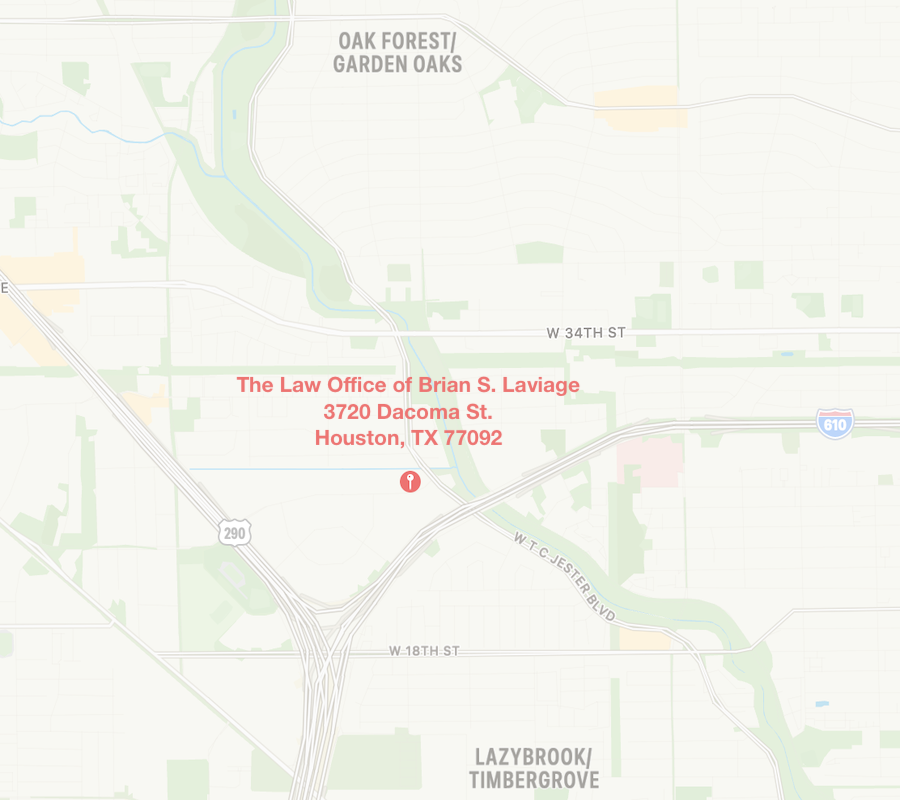
The Law Office of Brian S. Laviage
3720 Dacoma St
Houston, TX 77092 USA